

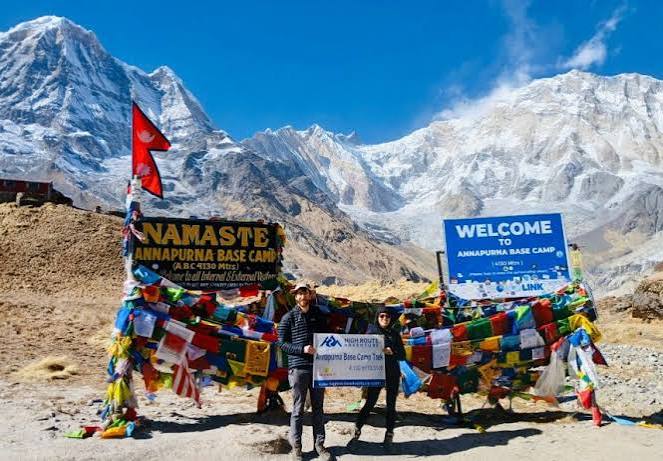
So you are thinking about heading into the mountains and honestly, good choice. Annapurna Round Trekking pulls in travelers from every corner of the globe and not just for the views though those alone could sell the trip. Money talks though and if you do not plan your budget right you will end up stressed halfway up a hill instead of enjoying the walk. This blog will shed light on what you truly have to spend the money on where costs can creep up on you and how to remain simple without compromising on essentials.
Why Budgeting Matters More Than You Think
No one ever embarks on a journey without having enough money but it does happen. The price of teahouses changes with the level up, WiFi is an additional fee almost everywhere and hot showers are not always complimentary, as you might hope. A rough daily budget in your head isn’t enough. Write numbers down, add a buffer, and you’ll thank yourself later when unexpected costs pop up, because they always do somehow, even on the smoothest trips.
Breaking Down Daily Expenses on the Trail
Food and lodging make up most of your daily spend, and prices climb the higher you go since everything gets carried up by porters or mules. Expect basic rooms, simple meals like dal bhat, and maybe a bakery treat if you’re lucky. Bottled water adds up fast too, so a purification method saves real money. Bundle these together, and you’ll get a clearer number instead of guessing unthinkingly.
Understanding the Bigger Picture Costs
When planning your Annapurna Base Camp Trek Cost, it is crucial to have a clear understanding of the cost of the trek without any surprises. Daily trail costs include permits, guide fees (if available), transportation to the trailhead, and gear rentals. Some trekkers attempt to go with the cheapest possible fare in an effort to save money; they end up regretting their decision to avoid hiring a guide or good boots. Balance is important here, and so is spending wisely and saving wisely.
Gear and Equipment Without Overspending
You don’t need the fanciest gear money can buy, truly. A good pair of broken-in boots, layers for adapting to weather conditions and a good sleeping bag cover the basics. It is much more economical to hire equipment locally in Kathmandu or Pokhara rather than to purchase new equipment that you only use once. Simply test it out before you travel out of town repairing gear problems on the trail is no one’s idea of fun.
Timing Your Trek to Save Money
Peak seasons mean higher prices almost everywhere from lodges to transport. There may be more peaceful trails and slightly better rates but the weather is less predictable in the shoulder months. Assess whether it is more important for you to save a few dollars or to ensure you have a view of the cliffs from the windows. Just booking in advance in any case is generally better than last-minute scrambling when you arrive and prices continue to rise.
Conclusion
When it comes to budgeting for a trek to the Himalayas, it’s not a matter of cutting back on spending until you’re no longer enjoying yourself. It is about awareness of your money so you can relax and walk the walk. Be prepared, leave room for overshooting and believe that a little preparation can go a long way. For more detailed planning help peacenepaltreks.com offers guidance worth checking before you set off on this unforgettable journey.